Popular Golf 4 GTI Features for Classic Car Ownership
Discover Peak Power: Transform Your Golf 4 GTI Motor Today
Upgrading the Golf 4 GTI engine can tremendously boost its performance. By directing attention to key modifications, drivers can experience improved acceleration and responsiveness. Essential components like turbo systems and heat exchangers play an key role in this overhaul. However, the process requires thoughtful deliberation of assorted modifications and maintenance habits. Knowing these elements is indispensable for achieving peak performance and safeguarding consistency. What decisions will lead to the ultimate driving experience?
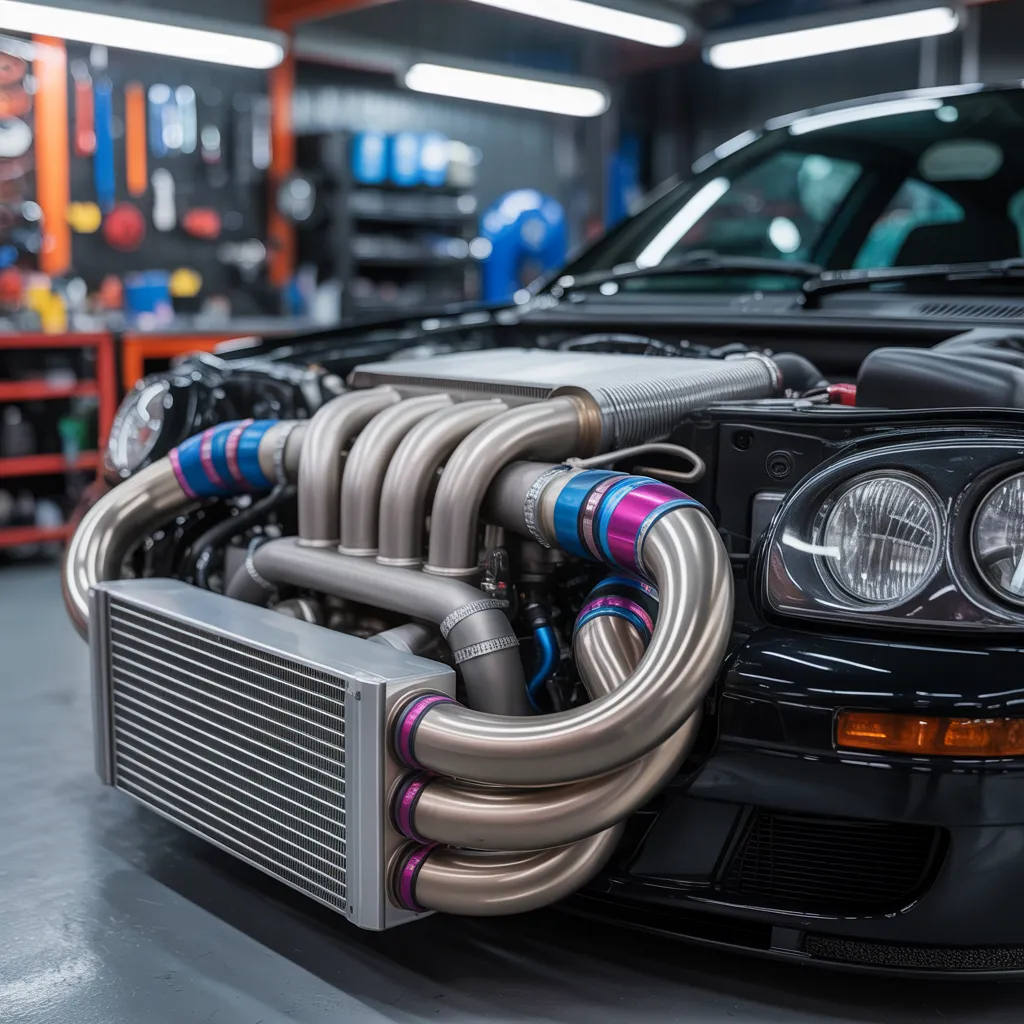
Why You Should Upgrade Your Golf 4 GTI Engine for Enhanced Performance
An motor enhancement of a Golf 4 GTI offers a attractive opportunity for enthusiasts seeking enhanced power. Many owners strive to boost speed, reaction time, and overall ride quality. The standard motor, while capable, may not fully meet the desires of performance-focused drivers. An motor enhancement can result in increased horsepower and torque, making the vehicle more exhilarating to drive.
Additionally, technological advancements facilitate for better fuel consumption, ensuring that superior power does not sacrifice real-world usability. Upgraded powerplants can also offer a more compelling sound, enhancing the thrill of driving. Also, a tuned engine may strengthen the car's dynamic characteristics, permitting for a more spirited driving experience on both roads and tracks. In conclusion, upgrading the Golf 4 GTI engine not only elevates performance but also amplifies the joy of ownership for enthusiasts who seek excitement behind the wheel.
Optimal Engine Modifications for Highest Power
Maximizing power in a Golf 4 GTI engine involves a strategic selection of modifications that improve capability without sacrificing dependability. One effective upgrade is installing a superior turbocharger, which can greatly increase airflow and boost pressure, leading to enhanced horsepower. Additionally, adding a high-performance intercooler helps maintain ideal temperatures, improving efficiency during intense acceleration.
A further essential change is a sport exhaust system, which minimizes back pressure and allows for superior engine breathing. Combining this with a remapped ECU can improve fuel delivery and ignition timing, revealing the engine's full potential.
Upgrading the air intake also plays a critical role, as a performance air filter increases airflow, leading to better combustion. Finally, strengthening engine components, such as upgrading pistons and connecting rods, guarantees durability under increased power levels. Together, these modifications create a balanced approach to attaining maximum power from the Golf 4 GTI engine.
Essential High-Performance Components to Maximize Your GTI's Power
To boost the efficiency of a Golf 4 GTI, several key parts can greatly increase power output. Replacing the turbo, improving the exhaust system, and utilizing advanced ECU tuning options are proven methods. Each of these modifications can lead to noticeable gains in power and the general driving feel.
Turbocharger Modifications
Turbocharger enhancements represent a pivotal improvement for the Golf 4 GTI, unlocking substantial performance potential. By increasing the amount of air and fuel entering the combustion chamber, these upgrades dramatically increase horsepower and torque. High-performance turbochargers, such as larger or hybrid options, offer improved spool times and boost levels, enabling quicker acceleration and improved throttle response. Additionally, upgraded turbochargers often come with improved cooling systems, which help maintain ideal engine temperatures under load. This not only preserves engine longevity but also guarantees consistent performance during spirited driving. Enthusiasts can also benefit from tuning their engine management systems to maximize the advantages of these turbocharger upgrades, ensuring their Golf 4 GTI performs at its peak throughout various driving conditions.
Exhaust System Refinements
Modifying the exhaust system is a vital step in optimizing the efficiency of the Golf 4 GTI. A high-performance exhaust system can greatly boost airflow, reducing back pressure and permitting the engine to breathe more freely. This improvement leads to enhanced horsepower and torque, supplying a more aggressive driving experience. Aftermarket options often include larger diameter pipes, high-flow catalytic converters, and performance mufflers, all designed to optimize exhaust flow. Additionally, these systems can deliver a more aggressive exhaust note, appealing to enthusiasts seeking a sportier sound. Brands like Milltek, APR, and Borla are popular choices among GTI owners, known for their durability and performance benefits. Ultimately, an upgraded exhaust system is essential for maximizing the GTI's potential.
ECU Engine Tuning Selections
Improving the exhaust system lays the groundwork for additional power upgrades, mainly via ECU tuning options. ECU tuning permits the recalibration of the engine management system, optimizing fuel maps, ignition timing, and boost pressure. This procedure releases the full potential of the Golf 4 GTI’s engine, resulting in increased horsepower and torque. Common tuning methods include piggyback systems, standalone ECUs, and reflash options, each offering distinct advantages. A properly executed ECU tune can also boost throttle response and improve fuel efficiency. Enthusiasts typically seek custom tunes tailored for specific modifications, ensuring that all performance parts work harmoniously. Ultimately, ECU tuning is an essential part of turning the GTI into a high-performance machine.
Deciding Between ECU Remapping and Piggyback Tuning
When examining the finest method to enhancing power in a Golf 4 GTI, one must assess the benefits of ECU remapping against piggyback tuning. ECU remapping entails changing the car's engine control unit (ECU) programming. This strategy permits for comprehensive tweaks to fuel mapping, ignition timing, and boost levels, typically delivering major performance gains. That said, it necessitates skilled technicians and can be permanent.
Conversely, piggyback tuning incorporates an external module that detects and alters signals between the ECU and engine components. This method is usually more straightforward to mount and can be uninstalled without making permanent effects. While it delivers versatility and a non-intrusive solution, it may not attain the same extent of fine-tuning as remapping.
In the end, the selection between these two methods is based on the owner's objectives for performance, budget, and desire to change the vehicle's present systems.
What's the Optimal Way to Manage Performance and Fuel Economy Following Upgrades?
After enhancing a Golf 4 GTI, attaining an optimal equilibrium between output and fuel economy necessitates careful evaluation of engine tuning strategies and the choice of high-performance components. Moreover, driving habits have a crucial role in determining fuel efficiency and overall vehicle performance. Recognizing these variables can enable motorists optimize their upgrades while decreasing fuel usage.
Engine Tuning Techniques
Balancing power and fuel economy in a Golf 4 GTI after engine upgrades requires careful calibration. Optimal engine tuning concentrates on modifying fuel mixture, spark timing, and pressure settings to achieve desired performance while maintaining economy. Using a quality engine management system allows for exact modifications tailored to the particular enhancements performed. Additionally, incorporating a dynamometer evaluation can provide valuable data, assisting in fine-tune settings based on actual performance results. It's vital to monitor exhaust temperatures and knock levels to prevent engine damage while increasing power. Comprehending the interplay between added power and fuel consumption is crucial; therefore, incremental changes and evaluation can result in an ideal balance, guaranteeing that fans enjoy both performance and efficiency in their modified Golf 4 GTI.
Performance Equipment Selection
Selecting the best performance parts for a Golf 4 GTI affects strongly both power output and fuel economy. Enthusiasts need to carefully balance boosting performance and preserving efficiency. Important components include upgrading the intake system, exhaust, and engine management software. A high-flow air filter improves airflow, while a performance exhaust system lowers back pressure, raising horsepower without compromising fuel efficiency. Furthermore, choosing a remapped ECU can optimize fuel delivery and ignition timing, ensuring a harmonious combination of power and efficiency. The use of lightweight wheels and tires also contributes to better handling and minimizes rolling resistance, enhancing overall performance without affecting fuel economy. Careful selection of these parts enables for an exhilarating driving experience while maintaining balanced fuel consumption.
How Driving Practices Create Results
Mastering driving techniques plays an crucial role view this in boosting both power and fuel economy after improving a Golf 4 GTI engine. Drivers can enhance performance by adopting smoother acceleration methods and sustaining steady speeds, which reduces fuel consumption. Rapid acceleration and forceful braking tend to undermine fuel economy benefits obtained from engine upgrades. Additionally, using higher gears at appropriate speeds can optimize engine efficiency without compromising power. Consistently checking tire pressure and preserving proper vehicle weight further enhances improved fuel efficiency. Ultimately, comprehending the vehicle's power band allows drivers to leverage upgrades effectively, ensuring a balance between aggressive driving and economical operation. By improving these habits, drivers can enjoy both superior performance and budget-friendly fuel usage.
Maintenance Advice for Your Upgraded GTI Engine
Upkeeping an upgraded GTI engine calls for a hands-on approach to verify superior capability and extended life. Frequent oil servicing are indispensable, as high-performance engines emit more heat and stress, necessitating the use of excellent synthetic oil. Observing the coolant quantities and verifying the cooling system is functioning at its best can avert overheating and engine wear.
Additionally, air filters should be inspected and swapped out regularly to guarantee maximum airflow, which is essential for engine performance. Spark plugs must be inspected to maintain efficient combustion; upgrading to high-performance spark plugs can further enhance engine power.
Systematic evaluations of the fuel system, encompassing fuel injectors and pumps, will identify complications that could affect capability. Finally, upkeeping tire pressure and alignment enhances overall responsiveness and efficiency, finishing the care regimen for an upgraded GTI engine. By sticking to these care instructions, devotees can realize the full benefits of their engine upgrades.
Queries That Are Often Asked
What is the cost to modify a Golf 4 GTI engine?
A Golf 4 GTI engine modification normally costs between $1,500 to $5,000, varying with the components and labor you decide on. Enthusiasts commonly assess performance benefits versus the price, keeping in mind both quick and sustained payoffs.
Does Modifying Invalidate My Coverage on the Golf 4 GTI?
Upgrading the Golf 4 GTI engine typically nullifies the factory warranty. However, the specific consequences on coverage protection may change based on the dealer and particular upgrades, so it's prudent to consult with them beforehand.
Which Fuel Type Performs Best for an Upgraded Engine?
The most ideal fuel choice for an upgraded engine is typically high-octane gasoline, as it elevates performance and stops knocking. This choice increases power output and operational efficiency, making certain the engine works effectively under increased demands.
How Durable Are Upgraded Engine Parts Typically?
Enhanced engine parts usually persist between 30,000 to 100,000 miles, contingent on quality, maintenance, and driving conditions. Consistent upkeep and responsible driving can substantially extend the lifespan of these components, ensuring peak performance.
Can I Implement Modifications Myself, or Should I Hire a Technician?
Upgrading engine parts may be a DIY project for knowledgeable people, yet hiring a professional is advisable for those lacking expertise. Professional installation guarantees peak performance and reduces the risk of potential issues during the upgrade process.